Culture
Why Dress Like a King When Britain Already Has One? Chigozie Nwaodo Has an Answer
Chigozie Nwaodo on Igbo regalia, the conversations it starts on British streets and why African heritage must be passed on.
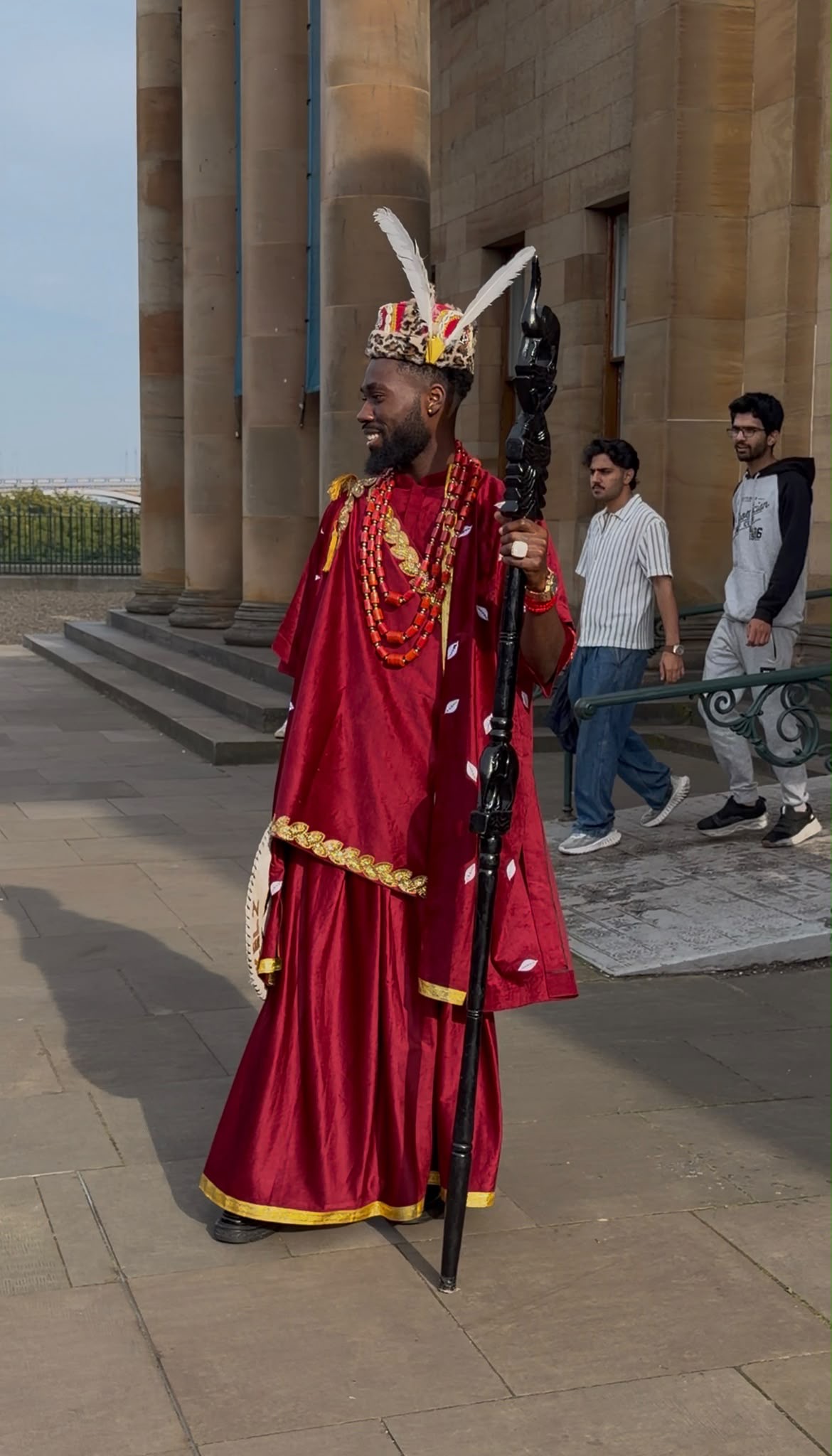
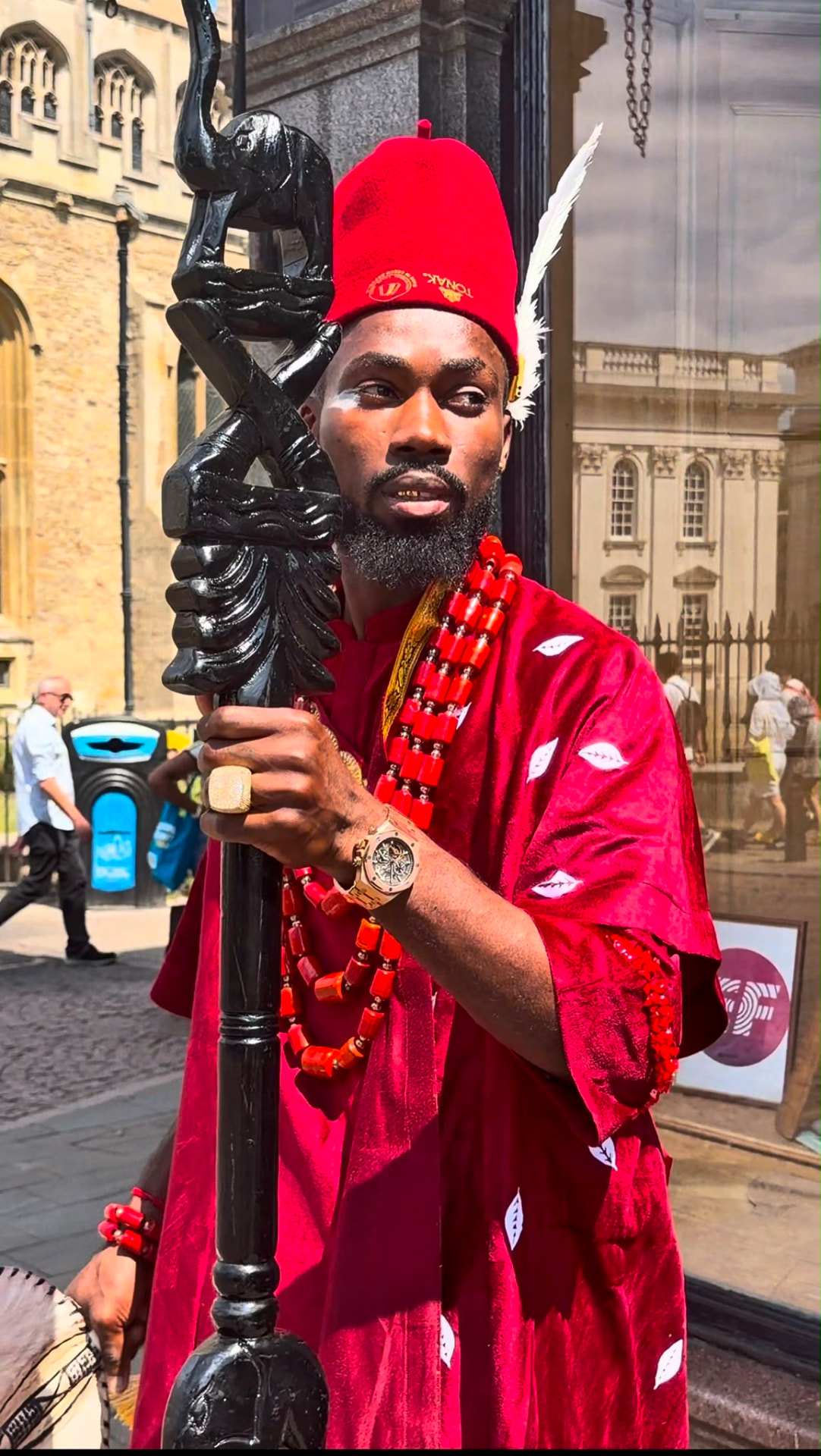
Someone once asked Chigozie Nwaodo, a Nigerian cultural advocate who wears traditional Igbo dress on British streets, why he was dressed like a king when Britain already has King Charles. The question caught him off guard. Nwaodo, who is in his twenties and has lived in the UK for three years, admits that he has long admired the British monarchy and hopes to meet the King someday.
Despite this, he saw an opportunity to explain something that people often overlook. He took time to explain that Africa has its own kingdoms, traditional rulers, and leadership systems, each with its unique history. Similarly, Britain's monarchy holds a distinct place in British society. Respecting one doesn't imply dismissing the other.
"I'm not trying to compete with the British monarchy," he said. "I'm simply representing a part of African history that I know and love."
For the last seven months, Nwaodo has worn traditional attire while walking around London, Edinburgh and other British cities. Passersby take photos or ask what the clothes mean and where they come from. He wants people to ask, even when the question shows how little they know.
He thinks many Africans grow up knowing plenty about British history and royalty, without the same grounding in African kingdoms and traditional institutions.
What he wears, and why
Nwaodo says he doesn't pick an outfit because it looks good or because he wants attention. He thinks about the event he's attending, the message he wants to get across and, above all, the history behind the clothes.
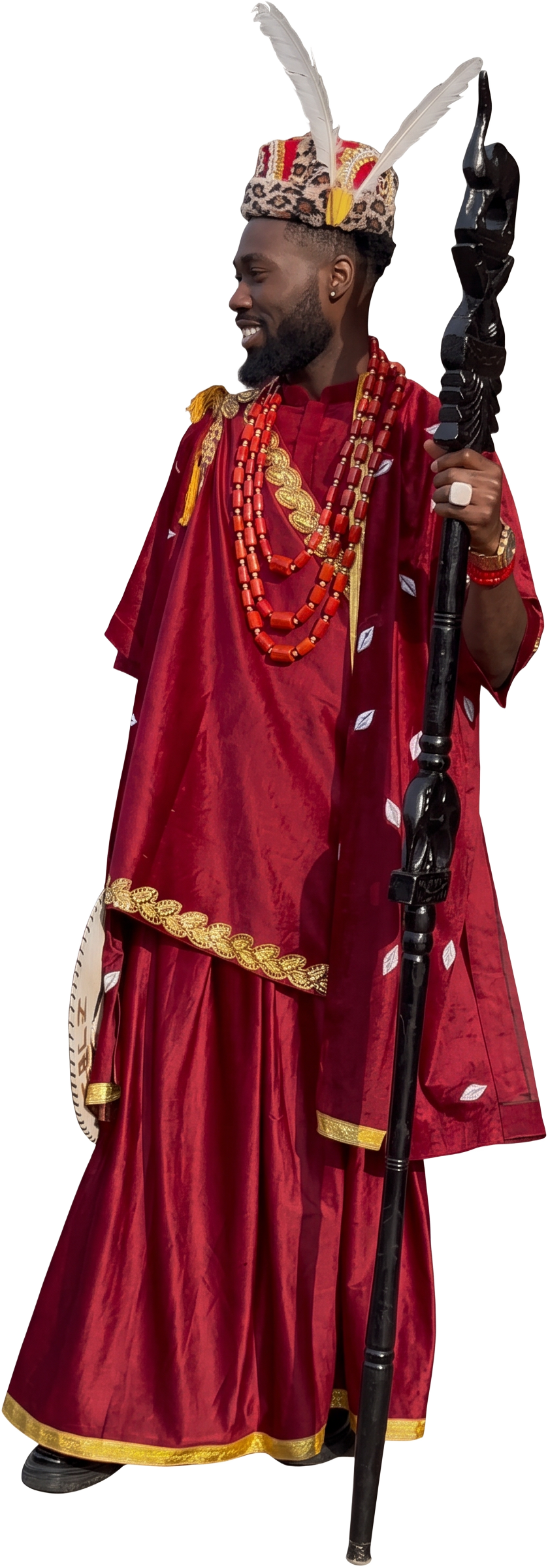
He is Igbo, and much of the regalia he wears ties back to that heritage, in particular the traditional idea of royalty, leadership, dignity and respect.
"When I'm wearing it, I understand that I'm carrying something that has meaning beyond the clothing itself," he said.
Sometimes he chooses attire from other African cultures to show the continent's range. "Africa is not one culture," he said.
Back home, he could see someone in traditional dress and think nothing of it. In Britain, the same clothing makes people stop, ask questions and want pictures, and that has shown him that what he wears can become a form of education.
When clothing starts a conversation
Not every encounter is that direct. After a British woman approached him and complimented his appearance, saying he looked "majestic," she inquired about his attire and cultural background. She then asked how one would greet a king in his kingdom.
Nwaodo told her that, depending on the tradition and the setting, you might bow or even prostrate, and address him by his traditional title.
She bowed straight away and shouted, "Igweee!" They both cracked up, and she asked for photos.
What stayed with him was that she genuinely wanted to understand something she hadn't come across before. Learning about a culture doesn't have to happen in a classroom or a museum. Sometimes it starts with a stranger asking a question on the street.
"I realised I could use something as simple as my appearance and my platform to start conversations about Africa," he said.
Clothes capture attention, and it's during conversations that meaningful interactions occur.
The little boy
Then there was a little boy who spotted Nwaodo in traditional African attire and approached him immediately. He turned to his father and asked, "Why don't you wear this kind of cloth? I like it."
His father laughed. "I'm not a king, that's why."
The boy hugged Nwaodo and posed for photos. A child saw something beautiful and wanted to know more.
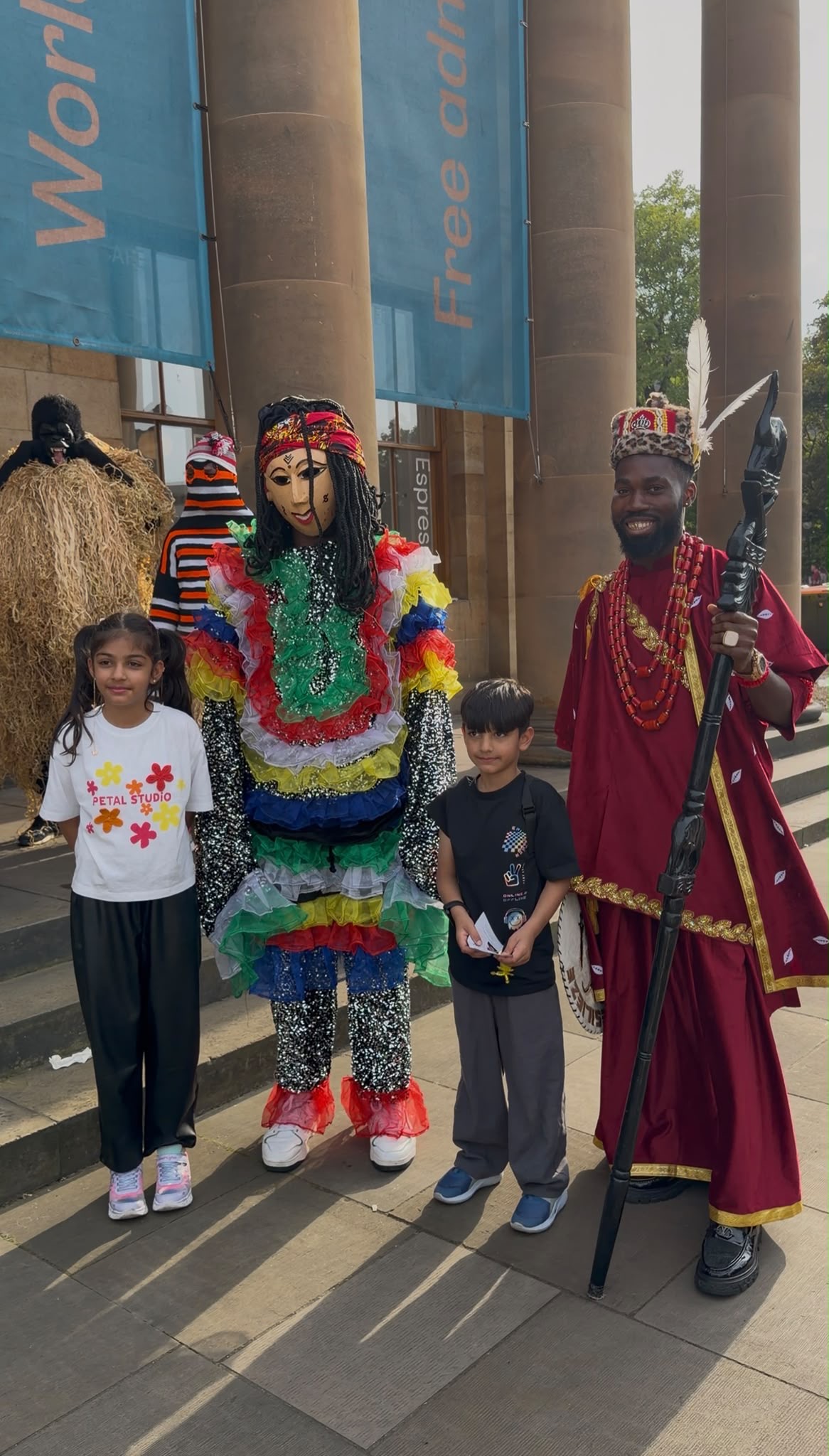
That is exactly what Nwaodo is hoping for. He wants African children growing up far from the continent to see their heritage as something worth knowing and passing on.
"I want them to see their culture and think, 'This is beautiful. This is mine. I want to know more about it,'" he told Vantage Magazine.
For him, it goes well beyond clothes. Language matters most, because it carries family stories, sayings, knowledge and shared memory. His message to parents in the diaspora is simple: tell your children where they come from, and let them learn their heritage while they're young. You can reconnect later in life, but it's harder once the language and traditions haven't been handed down.
"I don't want to be part of a generation that enjoys the benefits of our heritage but doesn't preserve it," he said.
Finding home after leaving it
Nwaodo grew up in Nigeria surrounded by traditional dress, ceremonies, languages, music and customs. It was all just everyday life, and, like most things you grow up with, he didn't think much about it.
Moving to the UK changed that because it made him look again at things he'd taken for granted.
"Being away from home made me realise that the things I once saw as normal are actually a very important part of who I am," he said.
Living in Britain also changed how he sees the way Africa gets talked about. He thinks the coverage leans heavily on poverty, suffering and aid, and leaves little room for the continent's culture, creativity and achievements. He doesn't deny that hardship is real. What he objects to is it becoming the only story.
"I want people to see the beauty, the pride and the history that sometimes gets overlooked," he said.
Taking Africa with him
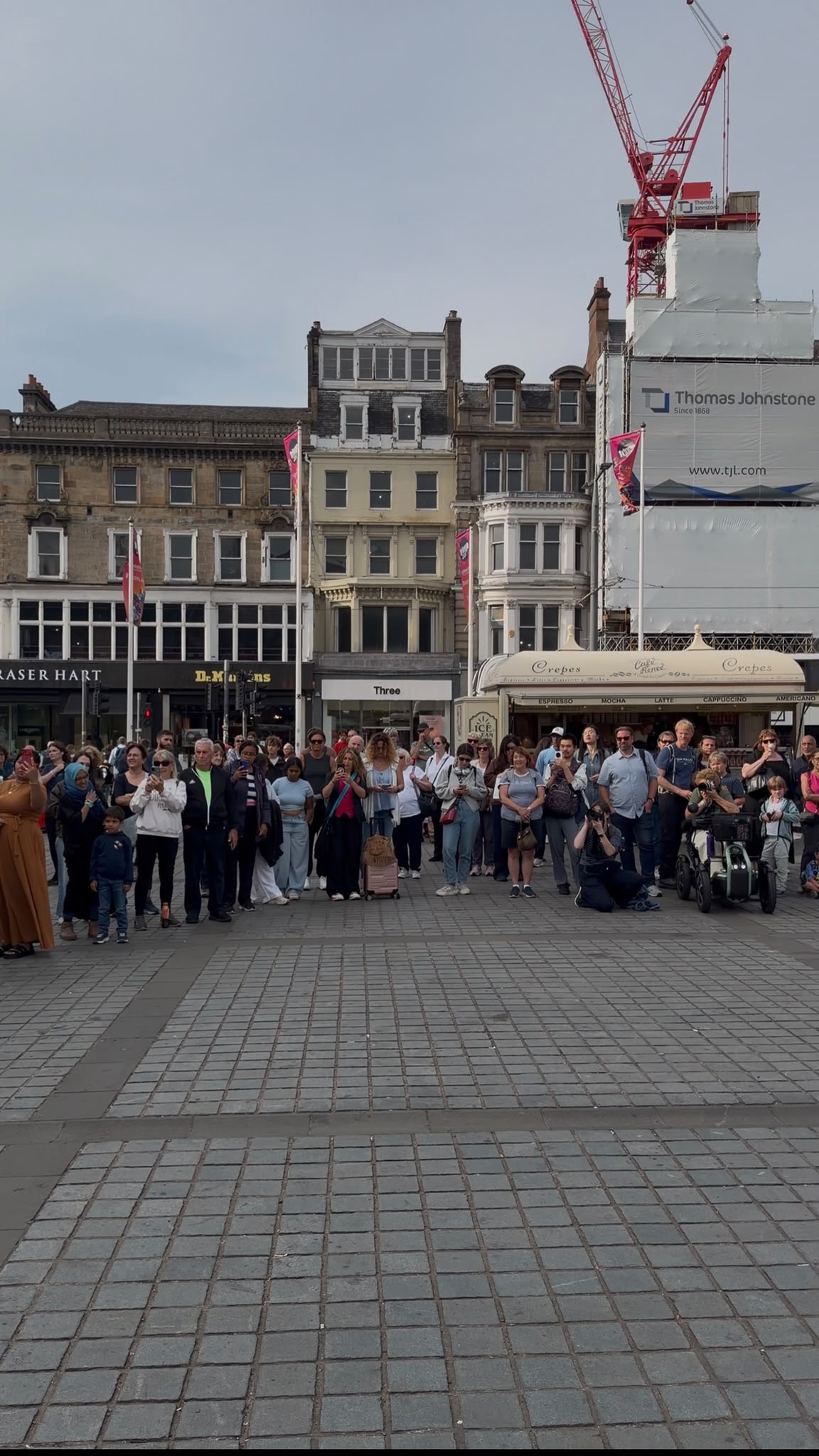
The Edinburgh Fringe carried the idea further. Nwaodo, who has lived in the UK for only three years, found himself representing African culture in an international cultural space, and he says he doesn't take that for granted.
"Edinburgh wasn't just about being part of an event. It was another reminder that African culture deserves to be seen and experienced on international platforms," he said.
It also made him think, "if I've been able to do this after just three years in the UK, how much more can I do in the future?"
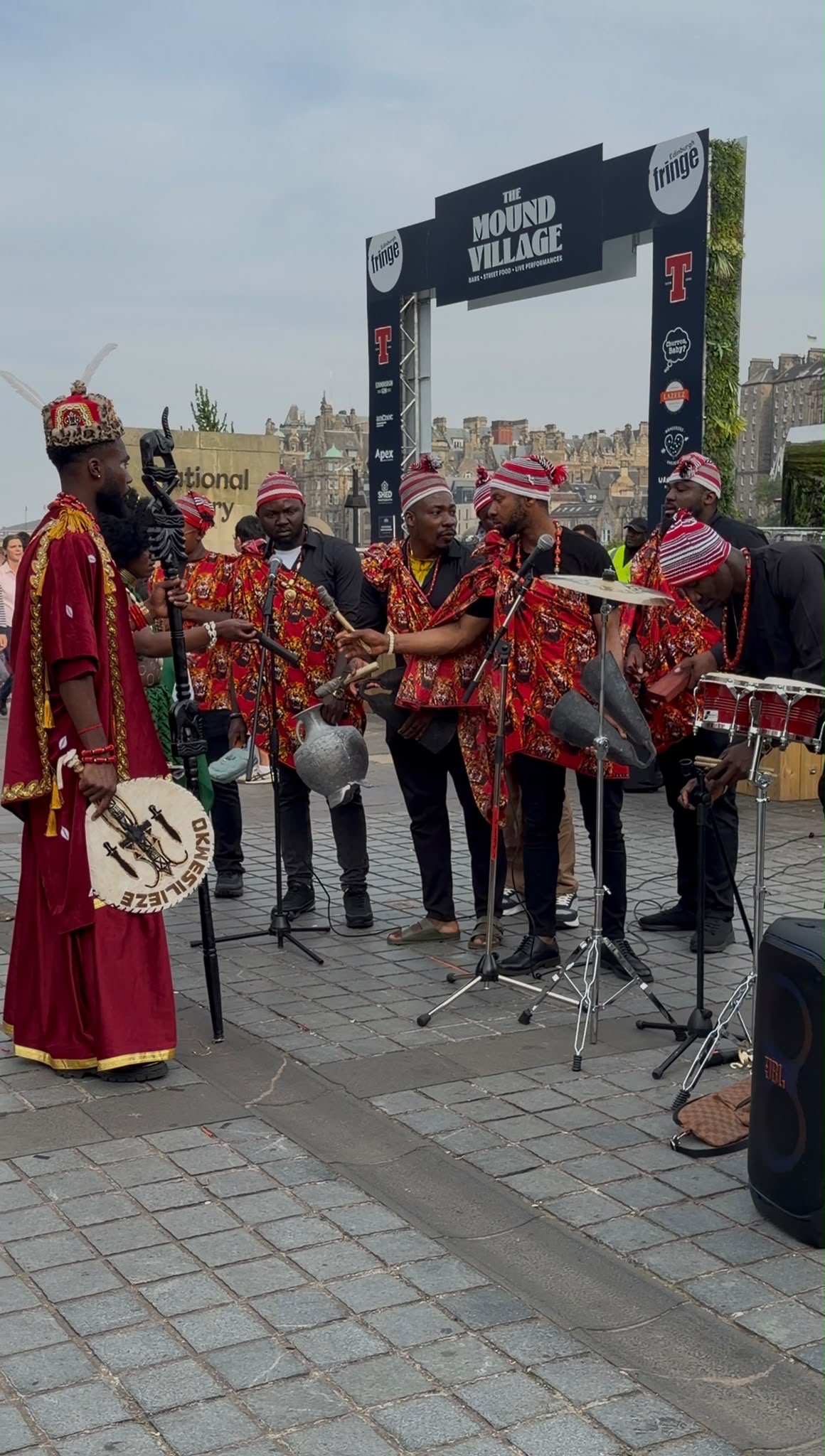
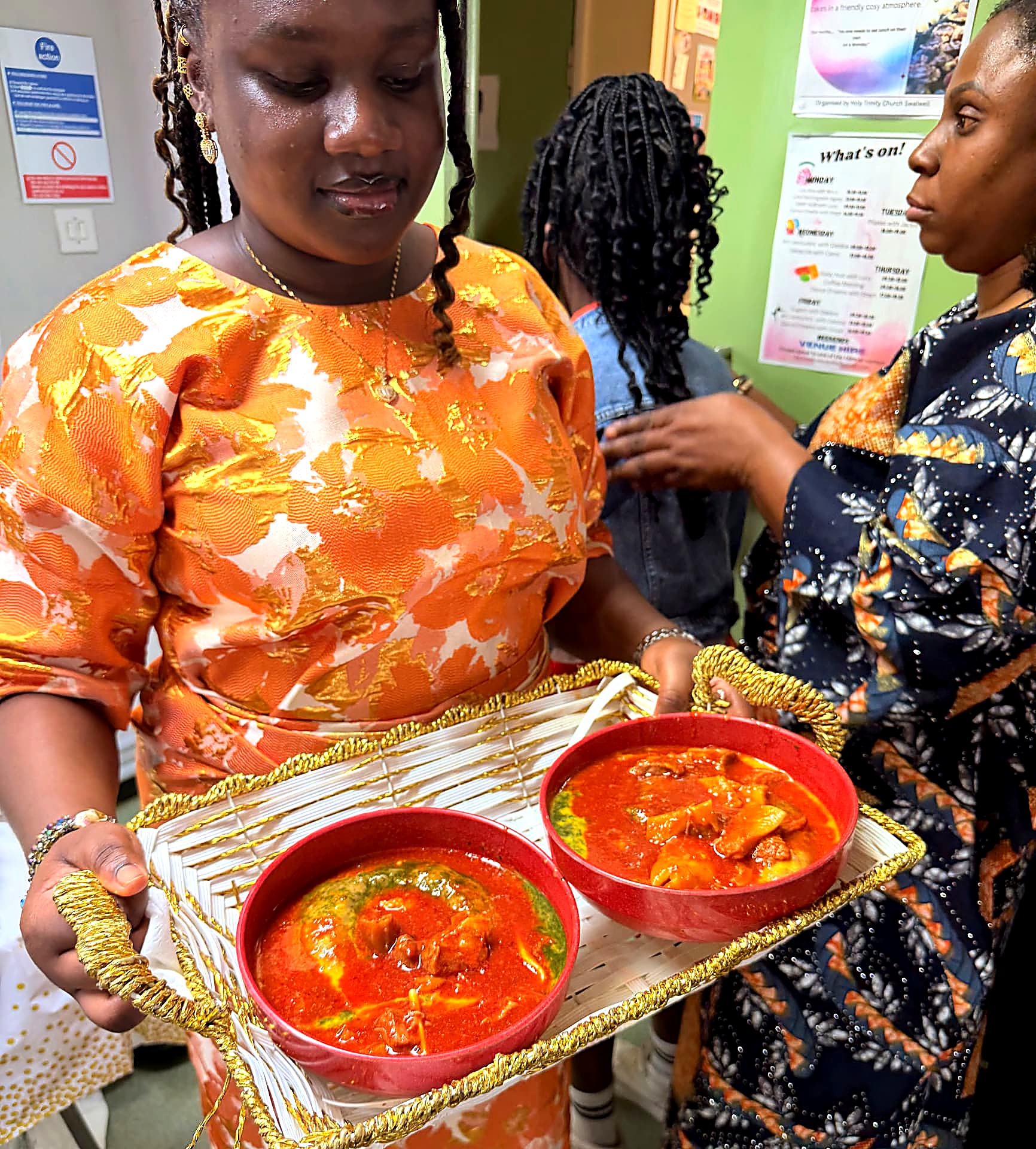
Nwaodo's plans go well beyond British streets. He wants to travel, go to cultural events, work with other creators, and introduce people to African traditions through clothing, language, food, music, dance and history.
There's always the chance an outfit becomes a photo and nothing more. He can't control what people take away. What he can do is be there for the conversation.
Nwaodo knows that wearing regalia won't save a language or settle the arguments over African identity. But it can spark curiosity, and curiosity can go somewhere.
"I didn't leave my African identity at the airport when I left Africa," he said, of the message he wants to take with him wherever he goes.
About the author
The Vantage Desk is the newsroom team at Vantage Magazine.