Culture
The Coronation of Diaspora Excellence: Inside the Historic Debut of Afriball
A historic gathering that transformed a gala into a manifesto for Black autonomy, creativity, and global influence.

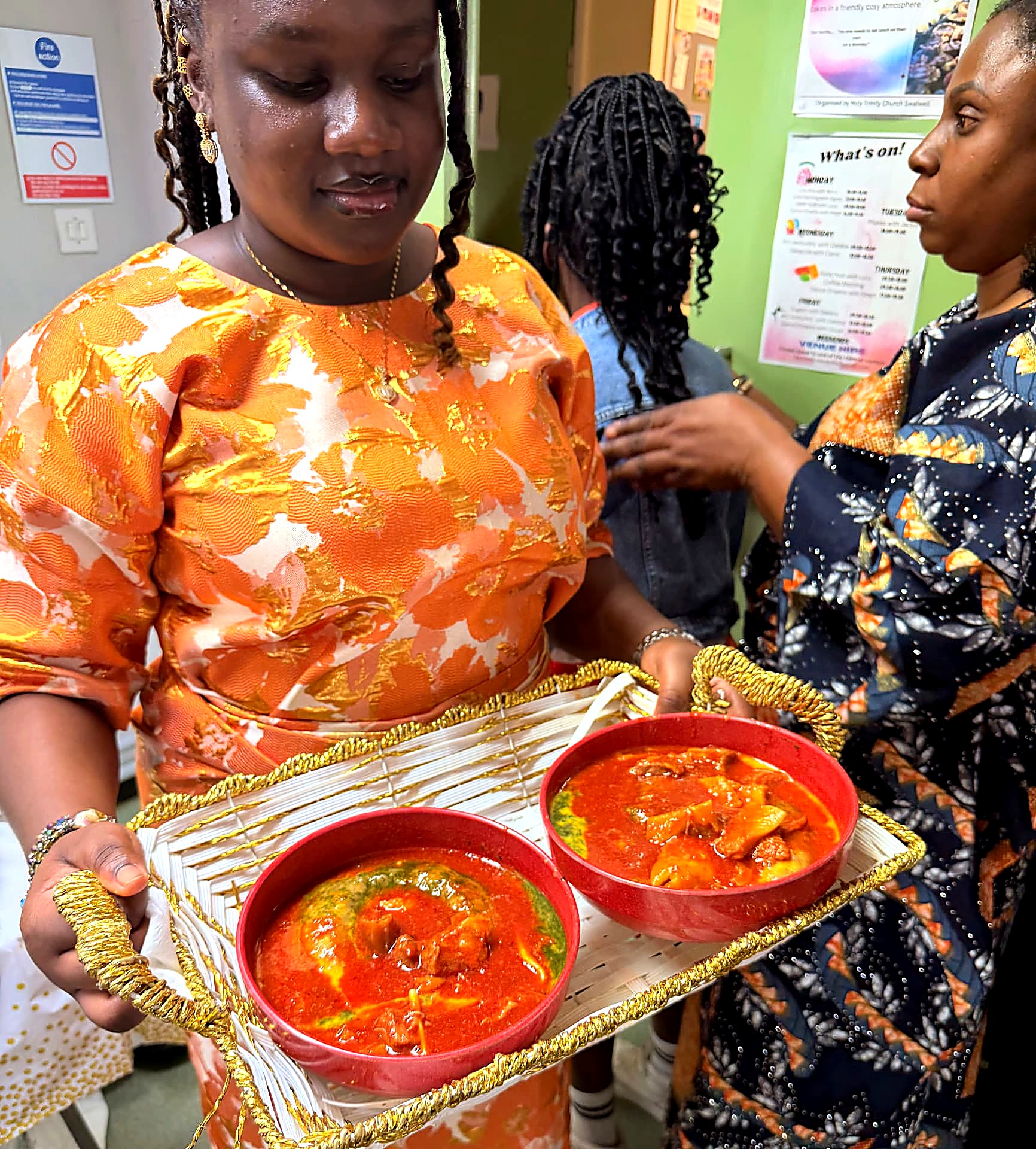
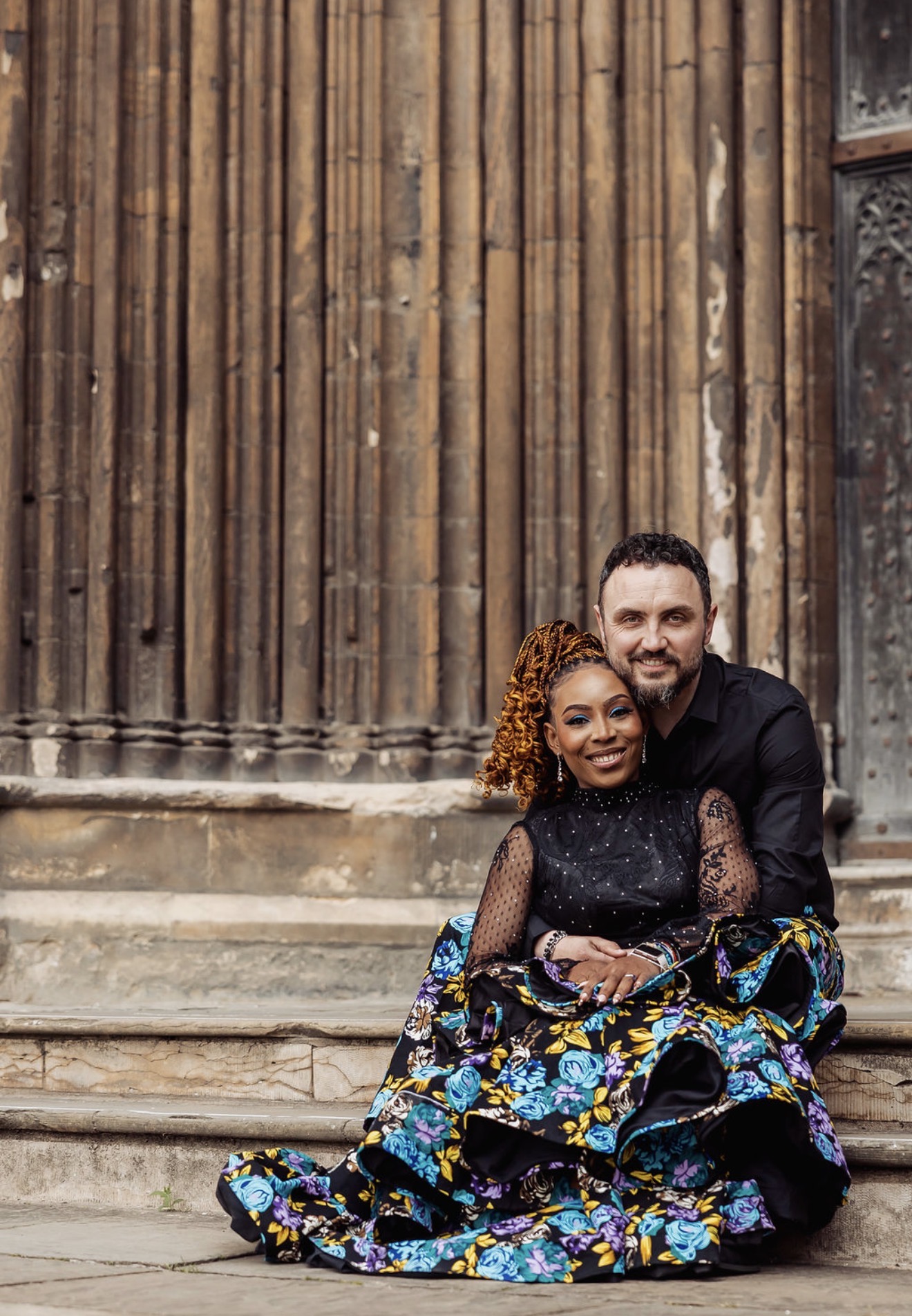
The air inside Newcastle's historic Assembly Rooms was thick with the scent of rich West African spices, the rustle of multi-layered silk Ankara, and the undeniable energy of a community claiming its space. Under the unapologetic banner of being “Culturally Loud,” the inaugural Afriball & Creators Awards did not just host a gala it staged a cultural coronation. This was Black excellence on our own terms: refined, affluent, deeply rooted, and entirely self-sustained.
For visionary founder Tèinyé Boyle, Afriball is far more than a red-carpet event. It is a calculated piece of cultural engineering designed to address a systemic flaw in the Western creative economy: the trend of Black culture being consumed globally while its architects remain locked out of the financial upside.
Boyle's strategy is simple: stop asking for invitations, and start building the estate. By actively knitting together distinct sectors marrying tech innovators with fashion designers, and corporate leaders with digital storytellers, Afriball is actively laying the plumbing for a self-contained, recession-proof Black economic ecosystem.
A duality of velvet and gele
The evening rejected the standard, sanitised “diversity gala” blueprint. Instead, it leaned entirely into a luxurious duality. Velvet British tailoring met towering geles. High-society etiquette coexisted with the unyielding bass of Afrobeats.
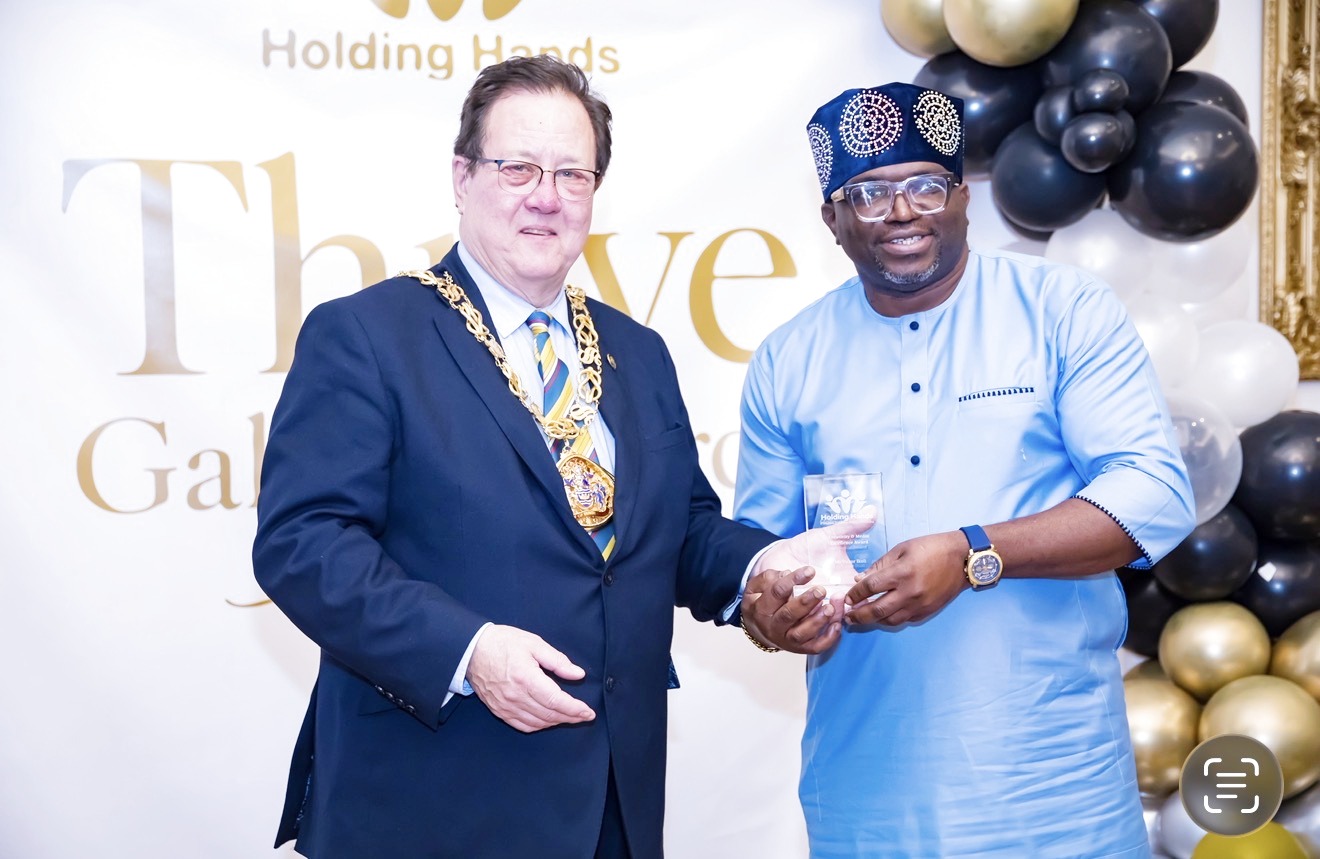
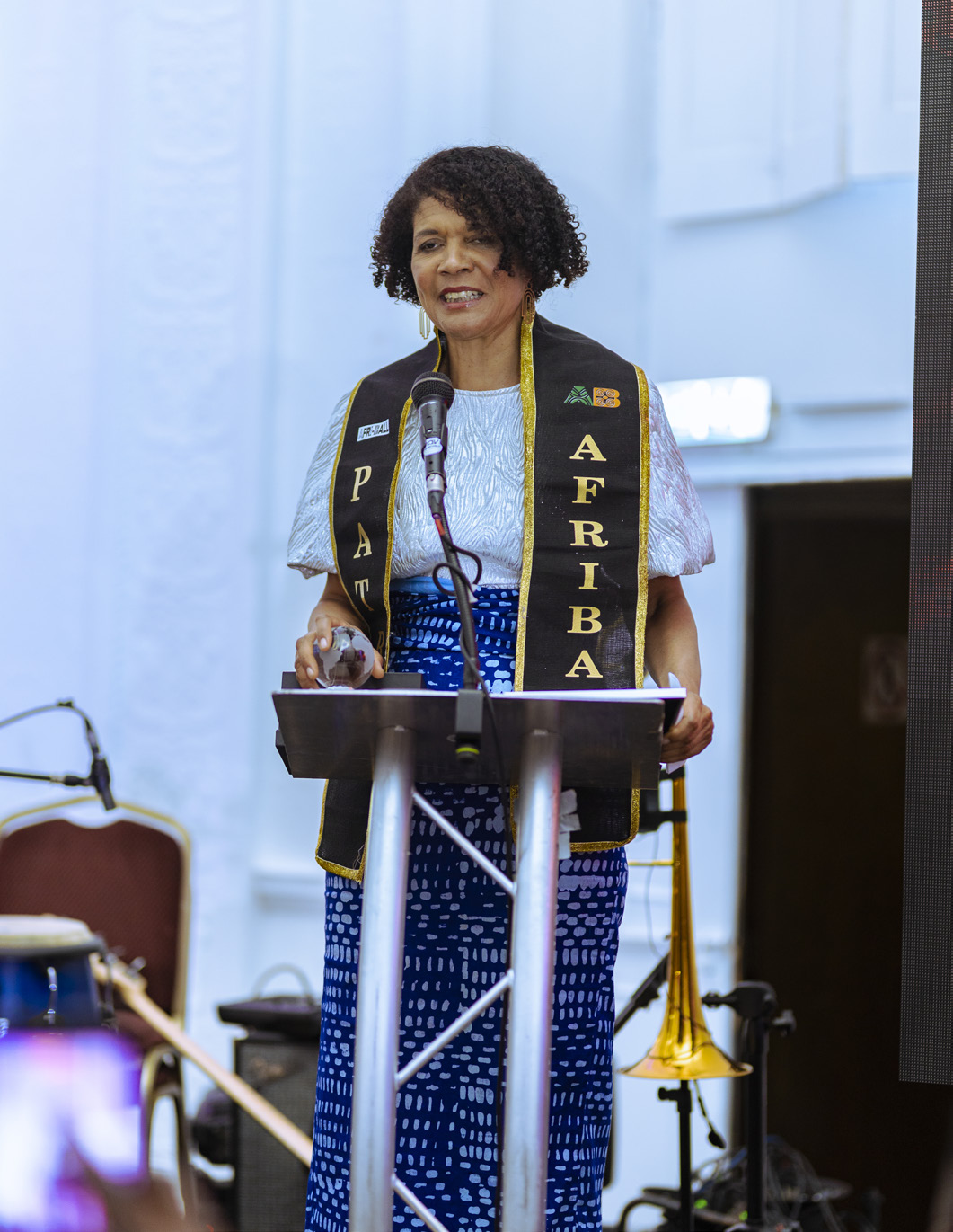
This deliberate fusion marks a shift in how the diaspora navigates success. It is no longer about assimilation; it is about dominance through authenticity. The institutional weight of the evening was solidified by the presence of true cultural royalty. Industrial pioneer Dr. Adesegun Adeosun Jr. (King SMADE) was officially inducted as an Afriball Patron, while UK Member of Parliament Dame Chi Onwurah stood among the evening's highest honorees and international entrepreneur Dr. Rex Tonye Idaminabo. They were all presented with Lifetime Achievement Awards, recognising their decades spent holding open doors that others tried to lock.
Testimonies from the winners
The heartbeat of the night lived within the testimonies of the few award recipients, each highlighting the deep emotional tax behind building a legacy in the West.
Bukie Adebola-Ezeh, who took the Creator Award for Business & Finance, put it plainly: “People see an award and see a moment. What they don't see are the years behind it … the late nights, the setbacks, the risks.” For her, the trophy represents a physical receipt for years of invisible, unrewarded resilience.
“The legacy I hope to create is one of integration and sustainability, an ecosystem where future generations never have to ask for a seat at the table, because we have already built our own.”
Pop Culture Award winner Olabamidele Ridwon “Bambad” Badmos said: “I sat in the room with African creatives from various parts of the world … different experiences, different purposes, but one uniform language: CREATIVE.” Badmos noted the night completely shattered the ceiling of local limitations, validating his work on a grand, international scale.
Culture Shaper Honoree Pipim Osei FRSA (Social Mobility & Sustainability) highlighted the collective power radiating through the venue. “Attending the Afriball Gala & Awards in Newcastle with Tèinyé Boyle and his team was an incredible experience. The energy in the room was powerful, unity, pride, and a shared commitment to uplifting our communities. We must continue to challenge limiting narratives, create opportunities, and show future generations what is possible.”
Hammed Kayode Alabi, who took the Culture Shaper Award for Education & Social Impact, grounded the celebration in a sharp, necessary reality: “When you look at the news recently, you see hate against immigrants … This recognition is a reminder that leadership is not about titles, but about service, impact, and creating opportunities for others.”
Rewriting the red carpet
As the final curtains closed on The Afriball, the message left behind was unmistakable. The African diaspora is no longer content with being the muse for global culture while remaining peripheral to the institutions that govern it. Through meticulous execution, curation, and absolute unapologetic pride, Afriball has set the template. We have the brilliance, we have the capital, and most importantly, we now have our own table.
The formal induction of Dr. Adesegun Adeosun Jr., widely known as King SMADE, as a Patron of Afriball marks a monumental shifting of gears for the platform. As the co-founder of SMADE Entertainment and the visionary co-founder behind Afro Nation, the world's biggest Afrobeats festival, King SMADE's involvement is the ultimate stamp of cultural legitimacy.
King SMADE has spent over a decade systematically export-driving African music and culture across Europe, the Americas, and Africa. His inclusion into the Afriball ecosystem brings unmatched industry leverage and a lifetime of institutional knowledge. At the gala, his Lifetime Achievement Award served as a timely tribute to a man who transformed Afrobeats from a niche UK club scene into a dominant global stadium phenomenon.
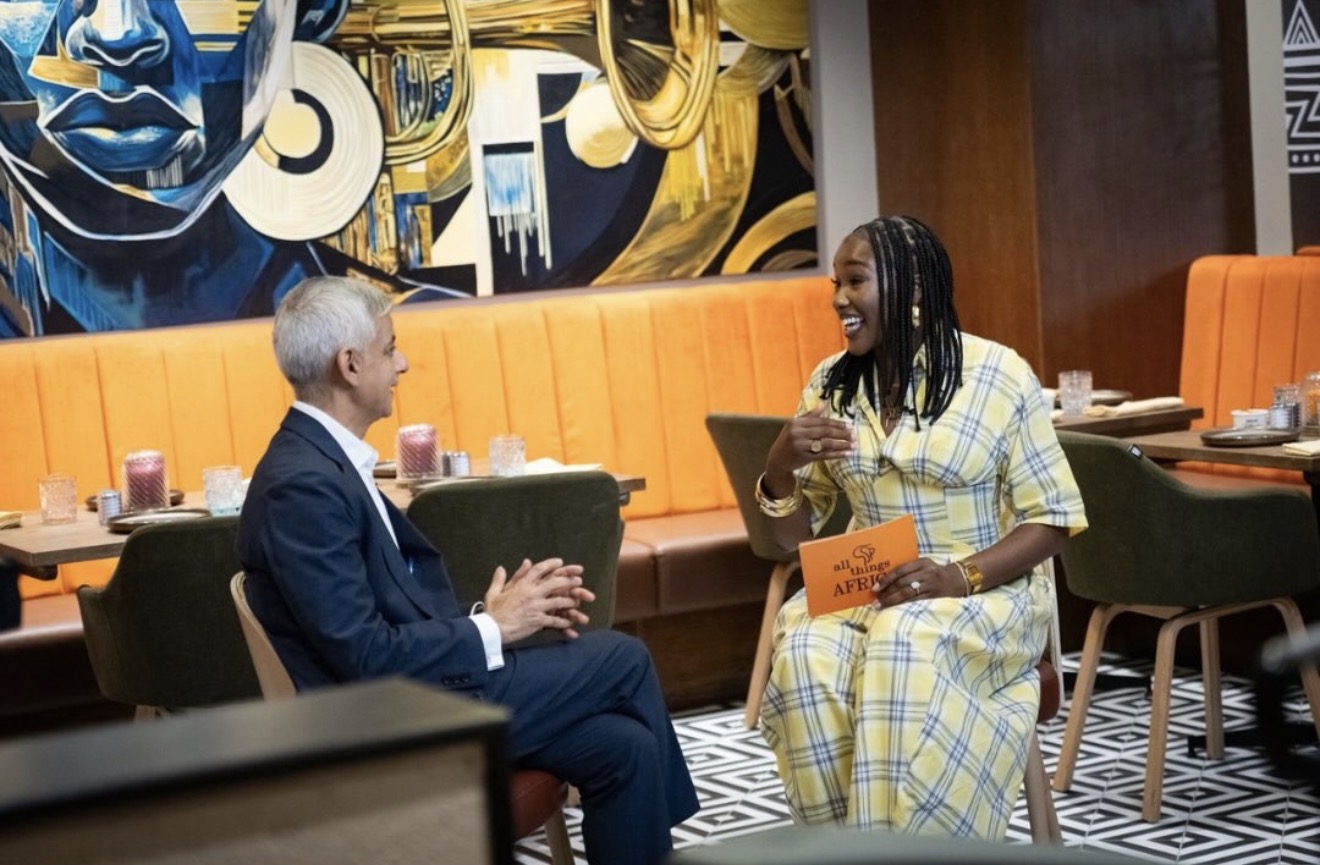
Meanwhile, the Afriball red carpet completely rewrote the rules of black-tie dressing, shifting the paradigm from rigid European standards to an explosive celebration of heritage luxury. Guests from across the United Kingdom traveled to witness the inaugural roll-call, which featured notable figures like Bisi Akins of All Things Africa.
Guests bypassed simple suits for structured silhouettes that commanded attention. Heavy jacquards, rich velvet double-breasted blazers, and capes with intricate golden embroidery brought an unmistakable royal energy to the carpet. Traditional fabrics were completely reimagined. High-fashion gowns featured sweeping trains made of vibrant Ankara, expertly blended with modern tulle and silk corsetry. It was a masterclass in combining ancestral patterns with contemporary haute couture. Headwear was not an accessory; it was the statement. Towering, architectural geles in metallic golds and deep crimsons were paired with sharp modern ensembles, ensuring that heritage remained literally at the top of the conversation.
From the night

About the author
The Vantage Desk covers the people, ideas and forces shaping global culture, business and sport.